
Safe Lifting Operations
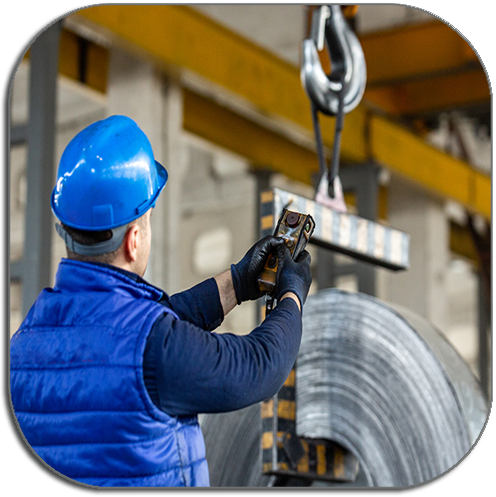
Safe Lifting Operations (SLO-101) is a complete, OSHA-aligned manual materials handling program. It covers what the law actually requires, how the spine is injured, the NIOSH Revised Lifting Equation applied hands-on, correct technique for lifting, lowering, carrying, pushing, pulling and team handling, the hierarchy of controls, and how to build a defensible written program.
The course includes the Safe Lifting Operations Simulator, an interactive exercise in which learners spot hazards in illustrated workplace scenes, sequence and perform a lift against a live spinal-load meter, and decide how to handle randomised lifting scenarios graded against a real Recommended Weight Limit calculation.
Regulatory note: OSHA does not set a numerical limit on how much a person may lift. This course teaches the actual enforcement framework, the General Duty Clause together with the applicable specific standards, and presents the NIOSH equation as the recognised voluntary assessment method that it is.
Curriculum
- 9 Sections
- 26 Lessons
- 120 Days
- Orientation and the Business CaseSet expectations, establish why manual handling injuries matter, and confirm baseline understanding.3
- What OSHA Actually RequiresThe real legal position: the General Duty Clause, the applicable specific standards, and why there is no numerical lifting limit.4
- Anatomy, Risk Factors, and Early Warning SignsHow the spine is actually injured, the risk factors OSHA associates with back disorders, and the duty to report early symptoms.4
- The NIOSH Lifting Equation in PracticeThe recognized voluntary method for evaluating a lift, applied hands-on with a live calculator, including the limits of its validity.4
- Safe Lifting Technique, Step by StepThe full procedural core of the course: planning, the eight-step lift, the power zone, carrying, pushing, pulling, team lifts, and special situations.5
- Interactive Practice: The Safe Lifting Operations SimulatorDeliberate practice in a simulator: spot the hazards, perform the lift, and make the right risk decision.3
- Controls, Equipment, and the WorkplaceFixing the job rather than blaming the worker: the hierarchy of controls, mechanical aids, storage and housekeeping standards, PPE, and the back belt evidence.5
- Building the Program: For Supervisors and EmployersTurning knowledge into a defensible written program with job hazard analysis, recordkeeping, and measurable improvement.3
- CertificationThe final examination and course wrap-up.2
Instructor
Related Courses